
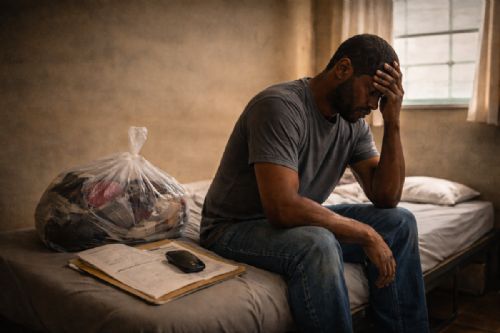
What Reentry Really Looks Like: The First 90 Days Home
For many people, release day is supposed to feel like freedom. Family members wait. Expectations are high. There is hope that life will finally begin again.
But what we see every day at OTWH Reentry is a different reality.
The first 90 days after release are not a celebration—they are a survival period. This short window often determines whether someone stabilizes or returns to the same cycles that led them to incarceration in the first place.
“The first 90 days after release are not a celebration—they are a survival period.”
Understanding what truly happens during this time is critical if we genuinely care about second chances, stronger families, and safer communities.
Days 1–30: Survival Mode
When someone comes home from incarceration, they are expected to immediately function in a world that has moved on without them. Many return with little more than the clothes they are wearing.
In the first 30 days, we often see people struggling with:
-
No valid identification
-
No phone or reliable transportation
-
Unstable or unsafe housing
-
Limited food and basic necessities
-
Overwhelming parole or probation requirements
-
Mental and emotional shock after institutionalization
At the same time, they are expected to find employment, attend appointments, and rebuild family relationships—often without guidance or support.
“Returning home without stability turns motivation into frustration—and hope into risk.”
Without early intervention, even the strongest determination can quickly be replaced by fear, exhaustion, and despair. This is why immediate reentry support is not optional—it is essential.
Days 31–60: Pressure Builds
As the weeks pass, the pressure intensifies.
Applications are submitted, but job rejections pile up—often because of a criminal record. Supervision fees, transportation costs, and basic living expenses begin to add up. Family tensions may rise as everyone adjusts to new roles and expectations.
The excitement of being home fades. Isolation sets in.
This is also a high-risk period for relapse or reoffending—not because people don’t want to succeed, but because survival stress becomes overwhelming.
“People don’t return to prison because they don’t want to succeed—they return because survival pressure becomes overwhelming.”
At OTWH Reentry, this is when accountability, life skills, and consistent encouragement matter most. We walk alongside participants to help them navigate barriers, stay compliant, and keep moving forward even when progress feels slow.
Days 61–90: The Crossroads
By the third month, many returning citizens reach a crossroads.
Some begin to experience small but meaningful wins: steady appointments, improved decision-making, progress toward employment, or healthier routines. Others—without adequate support—begin to disengage, miss requirements, or lose hope.
This is where people either start building a new foundation or fall through the cracks.
“What happens in the first 90 days often determines whether someone rebuilds their life or falls back into the system.”
Consistency during this phase can be the difference between long-term stability and a return to incarceration.
Why the First 90 Days Matter
Reentry is not just about individuals—it affects families, neighborhoods, and entire communities.
When returning citizens are supported early:
-
Recidivism decreases
-
Families have time to heal
-
Employment and housing stability increase
-
Communities become safer and stronger
At OTWH Reentry, we believe every person deserves the opportunity to rebuild their life with dignity, accountability, and support. But meaningful reentry does not happen in isolation.
“Reentry works when communities show up—early, consistently, and without judgment.”
How You Can Help
The first 90 days after release are the most critical—and the most under-supported.
You can make a difference by:
-
Donating to help provide reentry services when stability matters most
-
Partnering with OTWH Reentry as an employer, service provider, or community organization
-
Advocating for second chances and changing how returning citizens are viewed
Reentry works when communities show up.
If you believe in second chances, safer communities, and real transformation, we invite you to stand with OTWH Reentry.
 Visitor Comments (0)